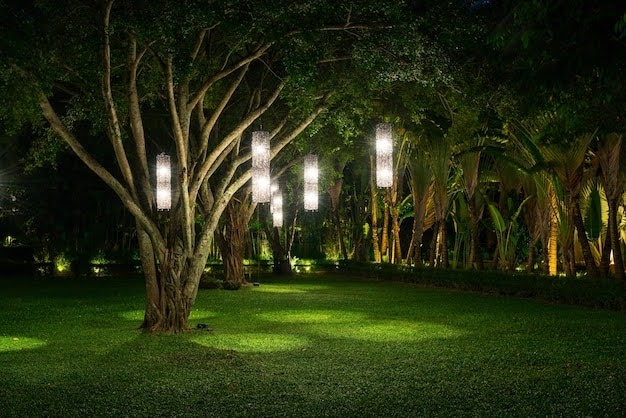
Outdoor lighting can transform a property after sunset. Architectural landscape lighting highlights buildings, trees, paths, walls, and garden features while improving visibility and safety. The best designs feel natural rather than harsh, using light to guide the eye and create atmosphere. Choosing correctly requires attention to purpose, fixtures, brightness, controls, and installation quality. This guide explains the key decisions. Careful planning now prevents expensive adjustments later.
1. Define Your Goals and Priority Areas
Start by deciding what the lighting should accomplish. You may want to show off the front facade, brighten entrances, improve steps, create a relaxing patio, or deter intruders.
Architectural landscape lighting works best when you walk the property at night and identify focal points, dark corners, and potential hazards. Prioritize important zones first, then add layers gradually. Notes and photos make the planning process easier.
2. Understand Common Fixture Types
Different fixtures create different effects. Uplights can graze textured walls or emphasize trees, path lights mark walkways, spotlights highlight sculptures, and downlights imitate moonlight from above.
Step lights improve safety on stairs. When planning architectural landscape lighting, combine several types instead of relying on one style. Layering creates depth and avoids flat, overexposed surfaces. Subtle contrast is often more elegant than bright light.
3. Choose Color Temperature and Brightness Carefully
Warm white light, usually around 2700K to 3000K, often feels inviting and flatters brick, wood, and plants. Cooler tones can look stark outdoors. Beam angle and lumen output also matter, because too much brightness can cause glare and wasted energy.
Good architectural landscape lighting uses just enough illumination to reveal shapes and textures without overwhelming the space. Testing samples at night prevents surprises.
4. Select Durable and Efficient Materials
Outdoor fixtures face rain, sun, soil, insects, and temperature changes. Look for brass, copper, stainless steel, or quality aluminum with weather-resistant finishes and proper ingress protection ratings.
LED technology is popular because it lasts long and uses less power. For architectural landscape lighting, low-voltage systems are common and can be safer and easier to adjust than higher-voltage alternatives. Quality matters.
5. Add Controls and Smart Features
Timers, photocells, motion sensors, dimmers, and app-based controls can improve convenience and reduce wasted energy. You can schedule lights to turn on at dusk and off late at night, or create scenes for entertaining.
Modern architectural landscape lighting systems may also allow zone control, so each area receives the right level of light. Simple schedules reduce effort.
6. Plan Installation, Maintenance, and Budget
Professional design can help hide cables, balance brightness, and protect plants and wiring. Request written estimates that list fixtures, transformers, labor, warranties, and future service.
Quality architectural landscape lighting needs periodic cleaning, bulb checks, and adjustment as plants grow. Consider neighbors and wildlife by limiting spill light. Regular checks keep performance consistent.
Final Thoughts
A thoughtful plan balances beauty, safety, efficiency, and maintenance. Define your goals, choose suitable fixtures, test lighting at night, and work with experienced installers. The right architectural landscape lighting can make your property welcoming, secure, and memorable for years.