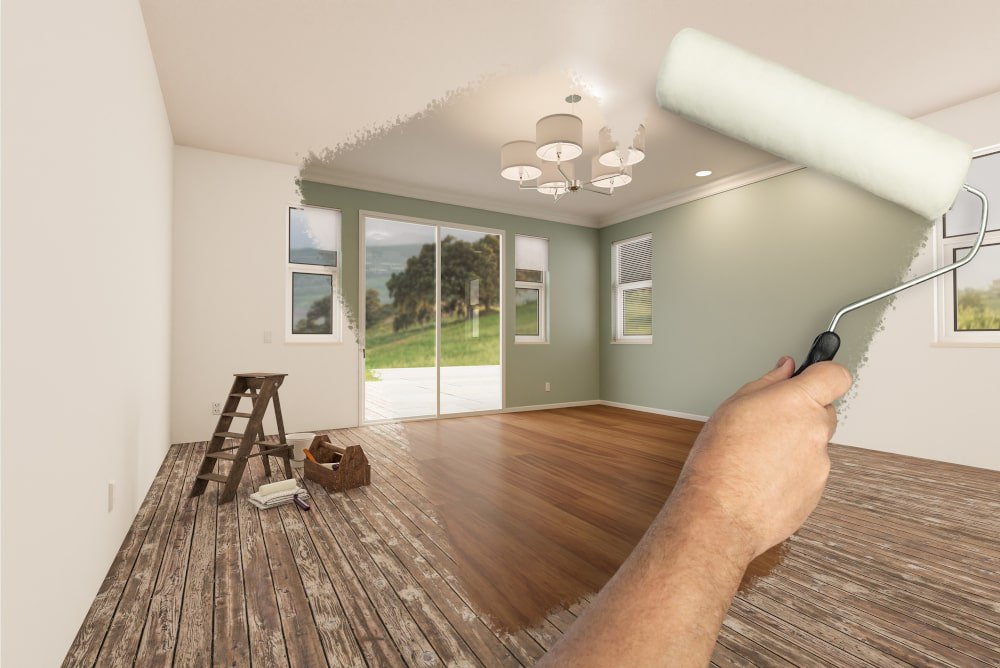
One of the most thrilling investments that homeowners can make is to invest in the renovation of their home. Renovation projects can be used to update a home to better meet the evolving needs and lifestyles of its occupants, from enhancing functionality to adding value, or simply to make the space more modern. Despite careful planning, problems can arise in renovations unless certain details are neglected.
People often start remodeling projects excited by the prospect of the possibilities it presents, but are then forced to deal with additional costs, delays, and design problems. A few challenges are inevitable, but many common renovation issues can be avoided if decisions are made with knowledge and planning. By being aware of these possible difficulties before work starts, homeowners can avoid the complications and have a better chance of getting the results they’re after, while also being on budget and on schedule.
The Importance of Proper Planning
One of the worst errors made by homeowners is beginning a home improvement without a plan. There are many phases, contractors, materials, and timeframes to be organized in a renovation. Projects can be unmanaged and costlier than planned if goals and expectations are not clearly set.
Homeowners need to assess their needs and priorities before starting any renovations. It’s crucial to identify the areas that need the most focus and to set realistic expectations for the finished product. By spending a few moments studying the various design concepts, materials, and expenses involved in the project, a roadmap can be established that helps follow the project from beginning to end.
The other benefit of a proper renovation plan is that you will be less tempted to make hasty choices when building. Mid-course corrections tend to add to the project’s cost and delay, and can be prevented if the project is well planned.
Underestimating the Budget
One of the most common problems that occurs when remodeling a house is budget-related. While most people are conscious of the most apparent costs of materials and labor, many homeowners do not consider the other expenses that can occur during construction. If there are hidden structural problems, old electrical wiring, or plumbing problems, the total cost can rise quickly.
Making a realistic budget requires more than just estimating the cost of what you are expecting. In general, it is a good idea to have a contingency fund for unforeseen events. Having some money to spare can be valuable in allowing homeowners to tackle unexpected problems without throwing out the entire project.
Sometimes, people may want to go for the lowest-priced materials or services they can find, but quality should not be sacrificed. Choosing durable materials and hiring professional contractors can help minimize maintenance expenses and improve long-term outcomes.
Choosing Design Over Functionality
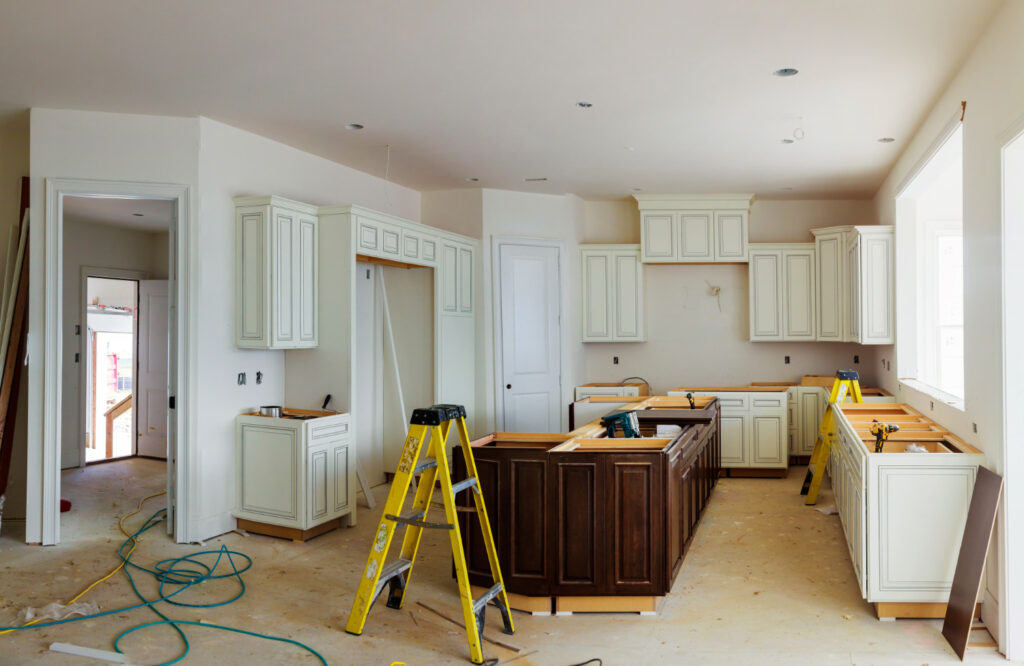
If the remodeling does not function, it will not provide the benefit. There are times when homeowners pay a lot of attention to the aesthetics and trends, but don’t think about how it will be used daily. While it’s great to have something that looks good, it is always important to have something usable.
For instance, a home renovation in your kitchen could be impressive, but if it is not set up correctly or you do not have enough storage space, there are certain tasks that might become easier. Also, choosing stylish materials that are very hard to keep up with will result in possible frustration later on.
Effective renovations will have both form and function. They need to be not only aesthetically pleasing but also accommodating to the way of life and the needs of the people who use them. With a few simple considerations, you can make your home a comfortable, functional space for years to come, including its storage, accessibility, lighting, and traffic flow.
Hiring the Wrong Professionals
Quality is critical to the success of a renovation project, and it’s important to choose the right people to work on it. Just because a contractor has the lowest quote doesn’t mean that the work will turn out to be poor quality or require extensive fixes after installation.
Homeowners should consider past projects, certifications, and references (if available) before choosing a contractor. The same applies to the communication. Setting expectations for the length of time, budget, and work scope involved in the renovation process can help avoid conflict.
It may be more expensive to hire professionals, but it can yield a higher-quality product and peace of mind. Good contractors will also be able to provide some helpful insights that will help the homeowner make informed decisions throughout the project.
Ignoring Future Needs
Too many projects are done to meet current needs and forget that there will be lifestyle changes in the future. There are plenty of needs to consider, but homeowners should keep in mind how their lifestyle may change in the future.
An expanding family, evolving work patterns, or “graying of the population” may affect the future use of a home. When renovating, it’s a good idea to include some flexible components that can help to make the space functional and versatile as things evolve.
A long-term focus can also help to increase the overall value of the property. If the homeowner is thinking of selling again in the future, renovations that are more appealing to a wider audience of potential buyers could prove useful.

The Value of Patience During Renovation
Renovation plans rarely go exactly according to plan. Weather conditions, material delays, and unexpected construction problems can all cause delays. It’s all too frustrating when deadlines are pushed back, but sometimes you have to be patient for the best results.
Overnight renovations are prone to errors that may be costly and cumbersome to fix. Focussing on solving issues correctly, providing full quality workmanship, and making sure that all aspects are to a high standard can often result in a more rewarding and rewarding final product.
Renovating a home with realistic expectations can help prepare homeowners for the inconveniences that will occur in the meantime. Knowing you may need more time than expected can help minimize stress and make the entire experience run more smoothly.
Conclusion
There’s more to a successful home renovation than great ideas and quality materials. All of these aspects are important to consider in making the desired outcome happen: careful planning, realistic budgeting, thoughtful design decisions, and the right team of professionals. Homeowners can avoid these common renovation pitfalls and build beautiful, functional, and lasting spaces by planning for long-term benefits and functionality.
Regardless of whether it’s a small room or a complete home transformation, making informed decisions and implementing the right preparation can make the renovation process more rewarding and help ensure it ends up being a successful one.