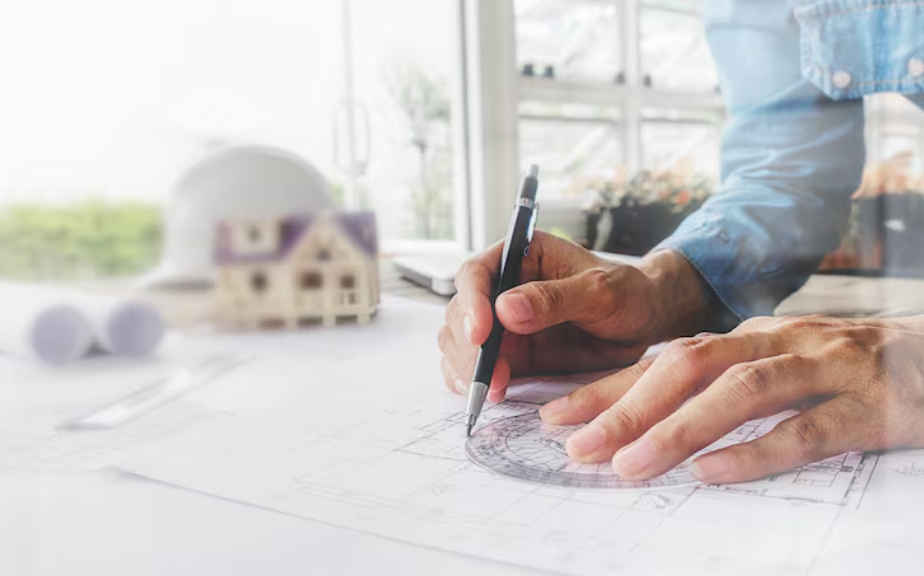
Sustainability has become an important part of modern construction. Today, people want buildings that are not only attractive and functional but also environmentally responsible. This is where architectural design services play a key role. Through smart planning and thoughtful execution, they help reduce waste, save energy, and create long-lasting structures. Good architectural planning also ensures that buildings stay efficient and comfortable for many years.
Smart Planning Through Architectural Design
One of the first steps toward sustainability starts with proper planning. Professional architectural design focuses on using space wisely and making the most of natural surroundings. This includes considering sunlight, wind direction, and natural ventilation while designing a building.
When experts apply modern architectural design techniques, they reduce the need for unnecessary construction materials and avoid poor space utilization. This careful planning helps lower environmental impact from the very beginning of a project and sets a strong foundation for sustainable construction.
Energy Efficiency in Building Design
Energy efficiency is one of the most important goals in sustainable construction. Through advanced architectural design, buildings are created to naturally maintain comfortable indoor temperatures. This reduces the need for excessive heating or cooling systems.
For example, proper window placement allows natural light to enter, reducing electricity usage during the day. Similarly, insulation-friendly designs help maintain indoor comfort. These energy-conscious strategies not only reduce utility costs but also contribute to environmental protection over time.
Use of Eco-Friendly Materials
Sustainability also depends on the materials used in construction. Modern architectural design services focus on selecting environmentally friendly and durable materials. These materials are often recyclable, locally sourced, or designed to reduce carbon emissions during production.
Choosing the right materials also improves building performance and lifespan. When combined with thoughtful design, they help create strong and efficient structures that support long-term sustainability goals.
Water Conservation and Resource Management
Water is one of the most valuable resources, and sustainable building design ensures it is used wisely. Architectural design professionals incorporate systems that help reduce water waste, such as rainwater harvesting and efficient plumbing layouts.
They also design landscapes that require less irrigation and use water-efficient fixtures inside buildings. These strategies help conserve water and reduce the overall environmental footprint of the project.
Creating Long-Lasting High End Building Designs
Sustainability is not just about saving resources; it is also about creating buildings that last. High quality architectural design ensures durability and strength in construction. When buildings are designed as high end building designs, they often include better structural planning, improved materials, and advanced engineering solutions.
These long-lasting structures require fewer repairs and replacements over time, which reduces waste and saves resources. A well-designed building remains functional and visually appealing for decades, making it a sustainable investment.
Improving Indoor Environmental Quality
A sustainable building is also one that provides a healthy indoor environment. Through proper architectural design, ventilation systems, natural lighting, and air circulation are improved. This helps maintain fresh air inside the building and reduces reliance on artificial systems.
Better indoor environments improve comfort and productivity for people living or working in the building. It also reduces energy consumption, supporting overall sustainability goals.
Conclusion
Architectural design services play a vital role in ensuring sustainability in building projects. From energy efficiency and eco-friendly materials to water conservation and long-lasting structures, every aspect of architectural design contributes to a greener future. By focusing on smart planning and high end building designs, professionals create buildings that are not only modern and functional but also environmentally responsible.