A reliable wastewater disposal system is an important part of maintaining a safe, clean, and comfortable home. For properties that are not connected to a public sewer network, a septic system provides a practical way to manage household wastewater. Proper septic system installation helps ensure that wastewater from sinks, showers, toilets, and washing machines is collected, treated, and disposed of safely. With careful planning and professional work, homeowners can prepare their properties for long-term wastewater management while protecting their homes and surrounding environment.
Understanding How a Septic System Works
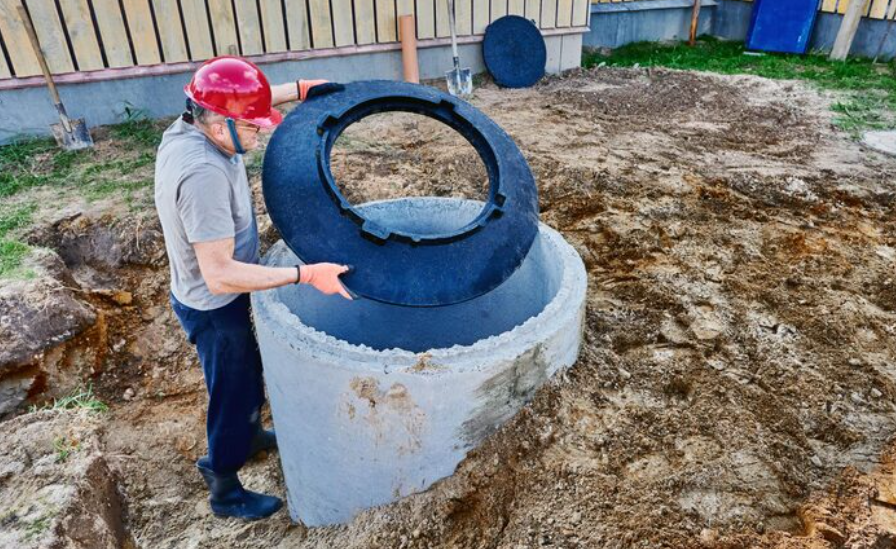
A septic system is designed to manage wastewater produced by everyday household activities. It usually includes a septic tank and a drain field. Wastewater flows from the home into the tank, where solid waste settles at the bottom and lighter materials float to the surface. Naturally occurring bacteria help break down some of the waste inside the tank.
The partially treated liquid then moves into the drain field, where the soil provides additional treatment. This process helps reduce the amount of harmful material entering the surrounding environment. Proper septic system installation ensures that each component works together to support effective wastewater disposal.
Preparing Your Property for Installation
Before beginning septic system installation, professionals evaluate the property to determine the most suitable system design. They may assess soil conditions, drainage patterns, available space, and the location of nearby water sources. These factors help determine whether the property can support a septic system and where its main components should be placed.
A soil evaluation is especially important because the drain field must allow wastewater to move through the ground at an appropriate rate. Poor soil conditions or an unsuitable location can affect the system’s performance. Careful preparation helps homeowners avoid unnecessary problems and supports reliable operation after installation.
Improving Wastewater Management at Home
One of the main benefits of septic system installation is that it provides an independent solution for wastewater disposal. Homes outside public sewer networks can manage their wastewater without depending on municipal sewer connections. This can be particularly useful for rural properties and houses in less developed areas.
A properly designed system also helps separate solid waste from liquid wastewater before further treatment occurs. When installed correctly, it supports cleaner surroundings and reduces the risk of wastewater collecting around the property. Professional installation ensures that the system is suitable for the household’s needs and expected water usage.
Protecting Your Home and the Environment
An effective septic system helps protect both the property and the surrounding environment. Poorly managed wastewater can create unpleasant odors, damage outdoor areas, and contaminate nearby soil or water sources. Professional septic system installation helps reduce these risks by ensuring that the tank and drain field are properly positioned and connected.
Homeowners can support these benefits by using water responsibly and avoiding the disposal of grease, non-biodegradable products, and harmful chemicals through household drains. These materials may interfere with the treatment process or cause blockages. Regular inspections and timely pumping also help maintain the system’s performance over time.
Supporting Long-Term System Reliability
The quality of septic system installation can influence how well the system performs throughout its service life. Correct sizing, suitable materials, and proper connections help reduce the likelihood of common operational issues. Choosing experienced professionals also helps ensure that local regulations and relevant installation requirements are followed.
After installation, homeowners should maintain a regular inspection schedule and watch for signs such as slow drains, unusual odors, or wet areas near the drain field. Addressing these concerns early can help prevent more serious problems and costly repairs.
Conclusion
Septic system installation prepares a home for reliable wastewater disposal by providing a suitable, well-planned method of collecting and treating household waste. From evaluating soil conditions to positioning the tank and drain field, every stage contributes to the system’s overall performance. With professional installation, responsible water use, and regular maintenance, homeowners can enjoy a dependable wastewater solution that supports household comfort, property protection, and environmental health for years to come.