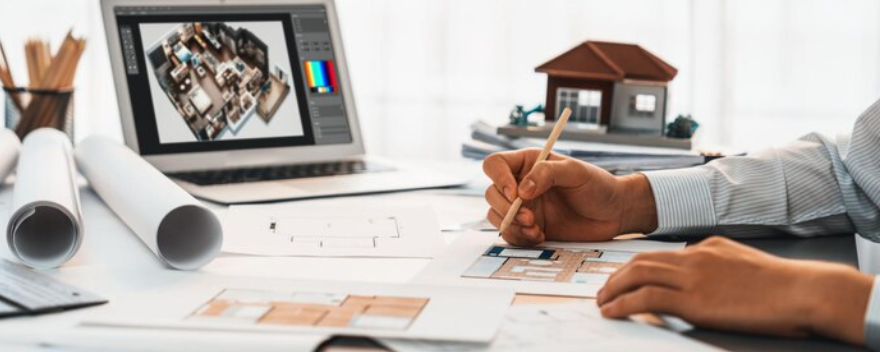
While the term interior design typically conjures images of mood boards for living rooms and kitchen layouts, the modern professional’s expertise extends well beyond the front door.
Creating a cohesive aesthetic journey begins at the curb. By applying principles of scale, color theory, and spatial flow to the exterior, interior designers ensure that a home makes a stunning first impression.
1. Creating a Seamless Indoor-Outdoor Flow
One of the primary ways interior designers enhance curb appeal is by establishing a visual bridge between the exterior and the interior. A home feels most harmonious when the architectural style and color palette are consistent.
Designers look at the “big picture,” ensuring that the materials used on the porch or driveway complement the flooring and cabinetry inside. This continuity creates an inviting atmosphere before a guest even steps inside.
2. Mastering the Psychology of Color
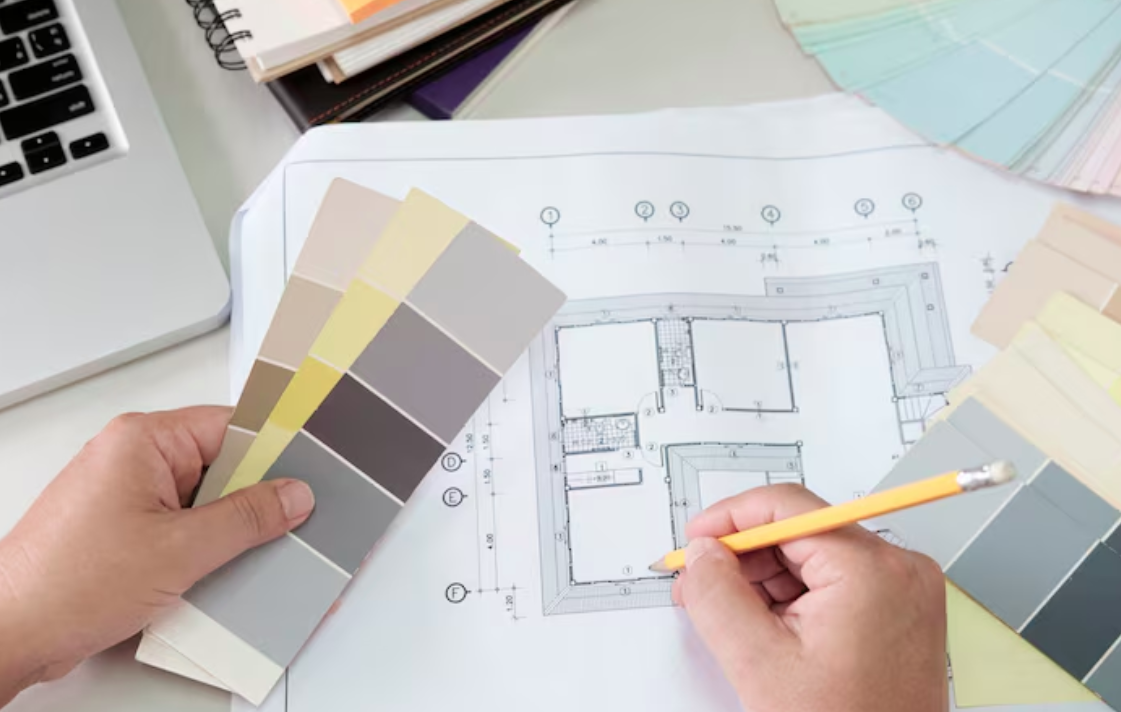
Selecting the right paint colors is a high-stakes decision that can significantly impact property value. Professionals understand how natural light interacts with different pigments throughout the day.
Instead of relying on basic neutrals, they curate sophisticated palettes that highlight architectural details like shutters, trim, and gables. By choosing the perfect hero color for the front door, they create a focal point that draws the eye and sets a welcoming tone.
3. Strategic Lighting for Evening Elegance
Curb appeal shouldn’t disappear when the sun goes down. Interior designers approach exterior lighting with the same precision they use for a gallery or a dining room.
They layer lighting to provide safety, functionality, and drama. This includes path lights for safe navigation, sconces that frame the entryway, and uplighting to accentuate mature trees or unique textures on the facade.
4. Selecting High-End Hardware and Finishes
The jewelry of a home—the house numbers, the mailbox, and the door handle—often gets overlooked by homeowners. However, these small details are where interior designers truly shine.
They select hardware that matches the home’s era and style, whether it is sleek, brushed brass for a mid-century modern look or hammered iron for a more rustic aesthetic. These tactile elements signal quality and attention to detail.
5. Curating Functional and Stylish Outdoor Living
A front porch or veranda is more than just an entryway; it is a potential living space. Designers treat these areas like outdoor rooms. By selecting weather-resistant furniture that mirrors the comfort of interior lounges, they make the home appear more spacious and lived-in.
Adding curated textiles, such as outdoor rugs or plush pillows, adds warmth and luxury to the home’s exterior profile.
6. Balancing Symmetry and Greenery
Landscaping is the final layer of curb appeal. While a gardener focuses on the health of the plants, a designer focuses on the composition. They use symmetry to create a sense of formal elegance or asymmetrical clusters for a modern, organic feel.
By placing oversized planters or custom window boxes, they add life and movement to the structure, ensuring the home feels integrated with its natural surroundings.