A patio opens up the possibilities of what can be done in a garden. It could be a quiet corner for a morning cup of coffee or a spot for family meals or gathering with friends on a warm evening. However, selecting a patio is not just about having an appealing patio from a catalogue.
The garden that is created is dependent on garden size, shape, drainage, sunlight exposure, access, materials used, and intended use. With the help of professional landscapers, homeowners can transform those pragmatic decisions into a beautiful and functional patio design that seamlessly integrates with the overall landscape.
Evaluate the Garden before Designing the Garden
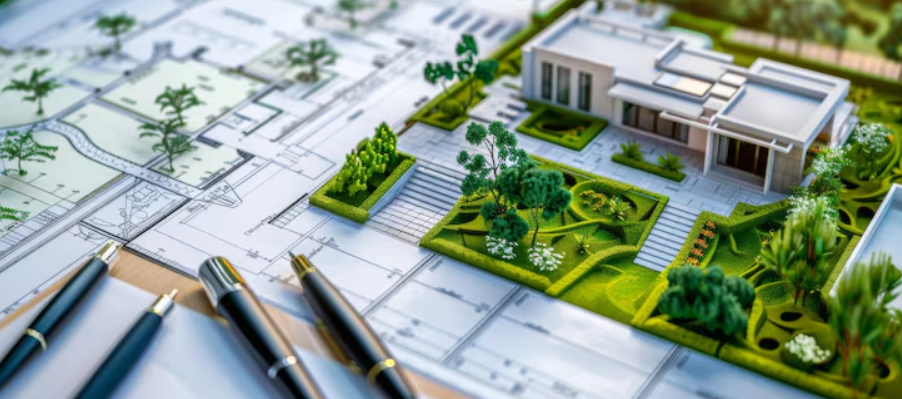
Professional landscapers are first interested in the space and then start recommending what type of patio to use. They determine the size of the garden, its current planting and garden character, existing levels, soil characteristics, drainage, boundaries and access, and how the garden relates to the house.
It is important because a photo-bombastic patio may not perform in a particular garden. A narrow garden can be served by a well-placed seat or bench instead of a wide, rectangular patio that takes up most of the garden land.
Match the Patio to Living Style
The ideal patio should not be built to match how you plan to use your outdoor space. Those who entertain guests on a frequent basis could require extra space to accommodate outdoor furniture and manoeuvring between seating areas and the house.
For smaller homes, a smaller space that can be used for dining, relaxing, or enjoying the garden might be more suitable.
Designing a Patio that Matches the Garden
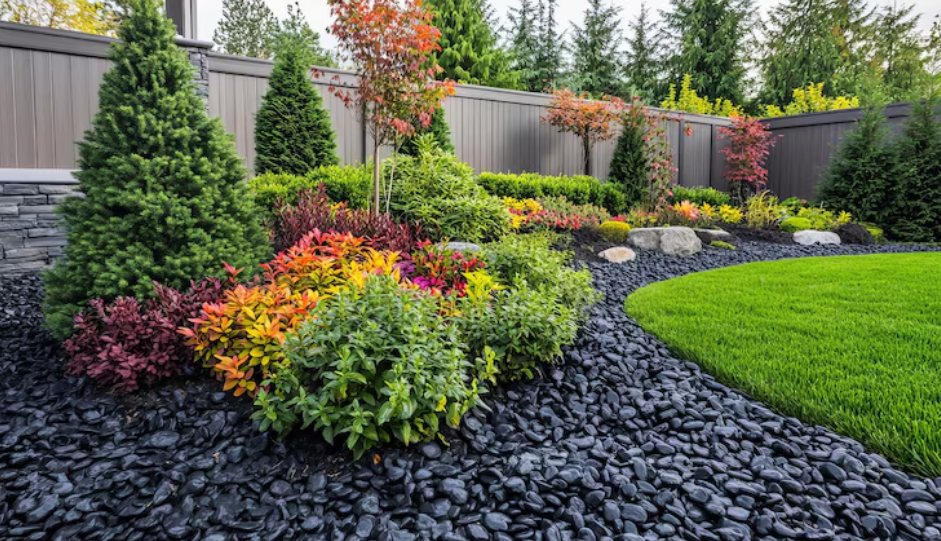
A patio design should not be a lonely deck in the middle of a garden. Good paving design takes into account the relationship of paving to lawns, plantings, paths, fences, walls, and other outdoor elements.
Use soft planting material to soften hard edges and pathways to provide natural movement between zones. Think about the lighting and seating as part of the overall design.
Choosing Appropriate Materials
The materials used for patios have an impact on more than just the look of the patio. There are variations in the texture, maintenance, durability, installation, and cost of natural stone, porcelain, concrete paving, and other materials.
The best option will depend on the garden and the usage of the patio. Durability and maintenance can be especially important for an area that is used by many people for entertaining. Natural materials can be used in a garden to suit a more natural style. A professional can make sure that it’s both functional and aesthetically pleasing.
Avoid Expensive Design Mistakes
After installing a patio, it can be difficult and costly to change it. Construction problems related to dimension, access, materials, drainage, or positioning can be alleviated by professional input before the construction process begins.
Professional landscapers can also offer valuable input to the homeowner that can assist them in setting priorities if on a limited budget. With good planning, there will be no harm to the budget or to the final outcome.