The field of Interior design for interiors is going through a major transformation that is moving away from the formal and stark aesthetics that have dominated the past decade to an ethereal, intimate style. Nowadays, homes are perceived as more than just an accommodation for people to live in, but also as a place that is a reflection of the character and values of the people living in it. Designers are increasingly focused on the quality of life, style, and craft, looking for methods to help contemporary living be more grounded and thoughtful.
This change requires a delicate harmony between the traditional and the modern, where antique pieces of furniture are juxtaposed with modern shapes to create a rich, complex, multi-dimensional setting. The search for high-end materials and a well-thought-out spatial plan is the hallmark of the present era and is a notion embraced by COOPER Design Build’s experts. COOPER Interior Design Build creates spaces that function as well as they are stunning. As we progress, our focus remains on building homes that are more intimate than being staged.
One of the biggest changes we’re seeing is the gradual downfall of the “all-white” minimalist design. For many years, the design community was a fan of the stark, museum-like look that, although visually pleasing,g was often lacking in the warmth and intimate feel needed to create a warm and cozy home. Today, the trend is swinging back to the richness and depth of the Interior design world with a particular preference for “warm minimalistism” that employs earthy hues and organic forms to reduce the harshness of modern living. It’s not that simplicity is good;e, however, it is a more sophisticated version which incorporates natural woods, the weaving of textiles, and hand-applied wall finish.
The emergence of patterns and colors is playing an important role in the new fashion narrative, as people are seeking to show their uniqueness through more bold options. Instead of sticking with the safe palette of grays and beige, many are exploring rich jewel hues, intricate floral designs, ns and unorthodox color combinations which bring life to boring rooms.
It doesn’t matter if it’s an elegant velvet sofa that is deep emerald tones or a dining space smothered in intricate wallpaper; these options signify an interest in an exciting and dynamic living space. A dedicated team such as Glamour Designs can assist homeowners in navigating these exciting shifts and ensure all of the extravagant Interior designs feel unified and elegant throughout the house. This new appreciation for colors is a refreshing change from the monochromatic styles that were prevalent in the previous.
Embracing the Return of Romanticism and Nostalgia
It is becoming increasingly popular to trend to create homes that have an element of historical romance, a move away from the modern-day furniture style that has been prevalent in recent times. This style is defined by subtle curves, scalloped edges, and patterns inspired by vintage that convey an air of timeless elegance.
The Charm of Curvilinear Silhouettes
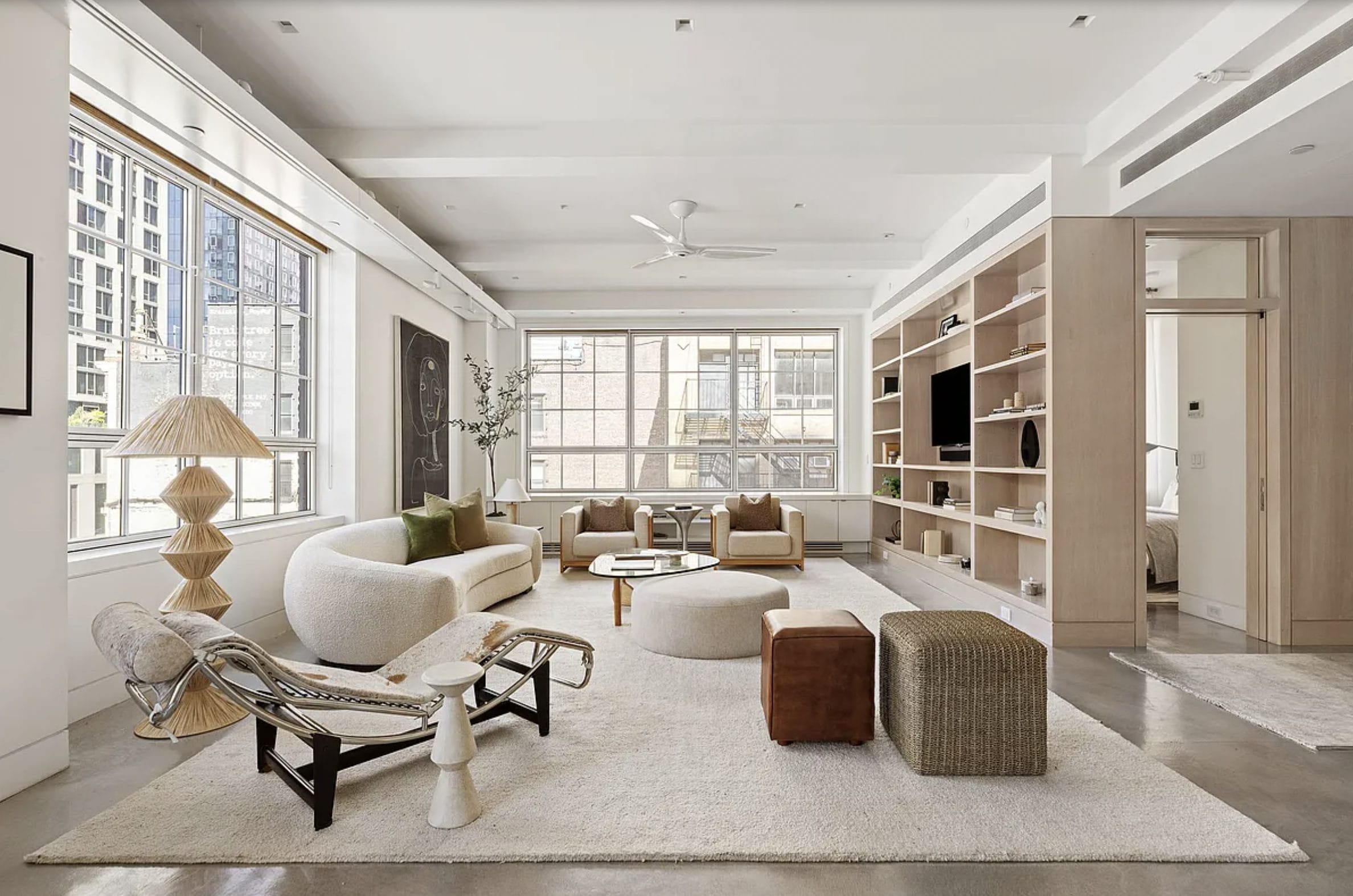
Furniture is shedding its sharp lines and sharp angles in favour of softer, inviting forms that encourage the flow and relaxation. Arched coffee tables that are circular, doors, and kidney-shaped sofas have been popular in modern living spaces, providing an aesthetic softness that creates a space that is more attainable. These forms that are rounded are typically combined with luxurious cushions, such as mohair or bouclé,e to increase the comfort of the space. By breaking down the straight architectural lines, es these pieces give a feeling of motion and relaxation that is vital to a relaxing home.
Floral Patterns and Traditional Accents
We’re also witnessing an emergence of classic Interior designs with large-scale florals and intricate lace patterns that at one time seemed outdated, but are now new and nostalgic. When incorporated into modern furniture or as an eye-catching accent on a wall, these patterns provide a connection to the past while staying solidly rooted in the current. The “new traditionalism” allows homeowners to celebrate their past or personal histories without making their home feel like an exhibit.
The New Palette: Earthy Neutrals and Saturated Hues
The color palette for the season ahead is centered on warming and the feeling of grounding, with a strong accent on hues that draw inspiration from nature. Interior Designers are shifting towards hues that are “rooted,” using shades that evoke the forest floor and the desert sky, along with the vast ocean.
As cool grays fade from fashion and are being replaced with rich browns, terracotta, and deep ochre. These shades offer an uncluttered foundation that is more inviting and elegant than the bland whites of the past. Brown, specifically, is now a dominant color that provides a feeling of luxury and stability when applied to leather furniture, dark wood cabinets, or even paint that is chocolate-colored.
The Rise of Moody Blues and Greens
Beyond neutrals, there’s an apparent trend toward “moody” areas that are embracing the dark to create a sense of intimacy. Deep blue, forest green, and charcoal are utilized in dens and bedrooms to create an “cocooning” appearance that feels secure and private. If these hues are applied to both trim and thwall sls and the trim, which is commonly referred to as color drenching, the space is spacious and unifying despite the darker tones. This technique transforms a basic space into an enthralling experience, showing that color is among the most effective tools available to Interior designers.
Prioritizing Texture Over Perfect Finishes
In modern homes,mes the way a space feels on the skin is as important as how it appears to the eyes, resulting in an enormous increase in texture range. Interior Designers are shifting away from smooth, flat surfaces and are opting for materials with a “hand-worked” feel.
Plaster walls and lime wash finish he’shes as well as exposed brick cks are getting more popular as they add the historical look along with a depth and dimension that painting by itself is unable to create. These finishes catch sunlight in different ways all day long and give walls a dynamic, living style. The focus of “imperfection” is an appreciation of human touch, eschewing the mass-produced style to create something that funiquelynique created.
Natural Stones and Mixed Metals
The use of natural stones is also changing, as evidenced by the shift away from traditional white marble to stones with contrasty veining and unique colors. Green marble, along with pinkonyxy,x, and deep red travertine, are now being utilized as art for bathrooms and kitchens. Additionally, the time of matching your metals has ended; mixing chrome, silver, and blackened steel produces an elegant and unique appearance that makes it appear as if it’s grown rather than being purchased in sets.
Redefining the Layout: The End of the Open Plan
For many years, the open-concept floor plan was the norm for modern-day living, but the way we utilize our homes has radically changed. The modern homeowner is seeking more “defined” areas that provide the privacy they need and also acoustic isolation, especially as homes have become a multi-functional space to work, exercise, and rest.
Instead of one large echoing space, homeowners are choosing “broken-plan” living spaces, where rooms are separated by walls of glass, fireplaces with double s, sides, or even a strategic arrangement of furniture. This creates a feeling of community, but without losing the ability to locate the perfect spot to take an incoming call or book.
The Return of Dedicated Dining and Sunrooms
There’s also a new appreciation for rooms that serve only on, specific goal. Formal dining rooms are regaining popularity as a space for deliberate conversation and gathering, free from the snares and distractions of the kitchen and television. In the same way, sunrooms and “conservatory” areas are being redesigned as spaces intended for interacting with nature and taking in the slow pace of time. These rooms are a reminder that our homes must accommodate our psychological needs by providing specific environments to accommodate the various phases of our lives.
A Commitment to Sustainable and Ethical Luxury
The most significant trend is the shift to sustainability, which is no longer a sideline but a fundamental necessity for modern-day design. People are more concerned about the source of their furniture, the chemical compounds used in their paints, and the long-term durability of the materials that they pick.
This has resulted in the rise of “quiet luxurious,” where the focus is on premium and sustainably sourced materials made to last. Instead of purchasing items for the season, which will end up in the trash, the modern-day buyer invests in natural linens, wood furniture, and ceramics made by hand.
Biophilic Design and Wellness
Inviting the outdoors into your home is an important goal, since the connection to nature has been known to lower stress levels and boost well-being. This goes beyond the addition of a few potted trees.s It also means creating houses with windows that are large to let in more sunlight, using non-toxic materials to improve the quality of indoor air, and creating seamless transitions between outdoor and indoor living spaces. In focusing on the environment’s health and the well-being of its inhabitants,s contemporary Interior design is now making progress towards an environmentally conscious and sustainable future.